What Chair Parts Are Nesessary for a Heavy-Duity Office Chair?
Heavy-duty office chairs are often thought to be designed only for users with higher body weight or larger body frames. However, their importance goes far beyond that.
In demanding environments such as 24/7 control rooms, call centers, and shared workstations, chairs are used continuously across multiple shifts. Standard office chairs are typically designed for an 8-hour daily usage cycle with a limited load capacity (around 120kg), which makes them unsuitable for heavy-duty applications.
To ensure long-term durability, safety, and performance, every component of the chair must be carefully designed and reinforced.
Base Components of Heavy-Duty Office Chairs
The base set is one of the most critical parts of a heavy-duty chair and includes:
- Casters (wheels)
- Five-star base
- Gas lift cylinder
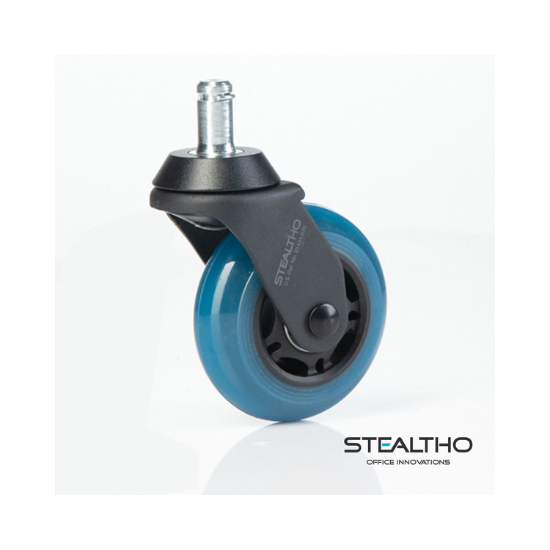
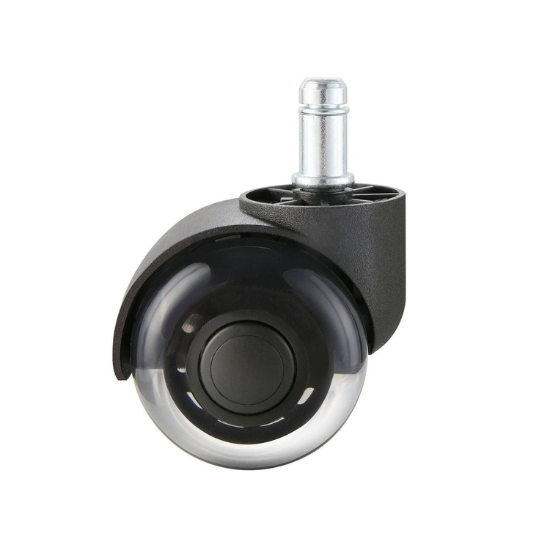
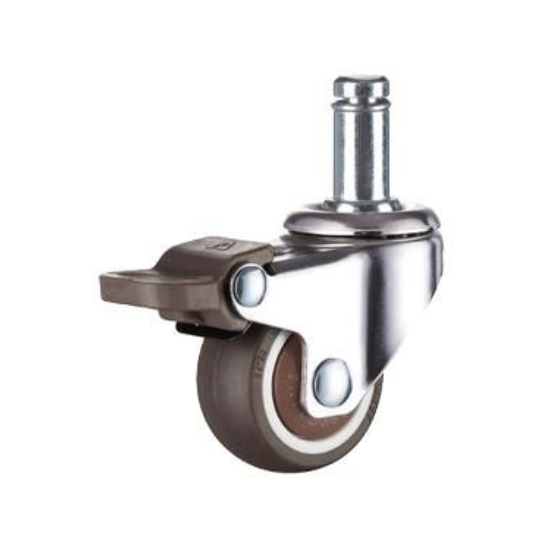
Casters (Chair Wheels)
Heavy-duty office chairs should be equipped with larger diameter casters for better strength and stability. Bigger wheels distribute weight more effectively and improve movement performance.
For example, 60mm casters provide better load capacity and smoother rolling compared to standard 50mm wheels.
- Soft casters are recommended for hard floors like tiles to prevent damage.
- Hard casters are suitable for carpeted surfaces.
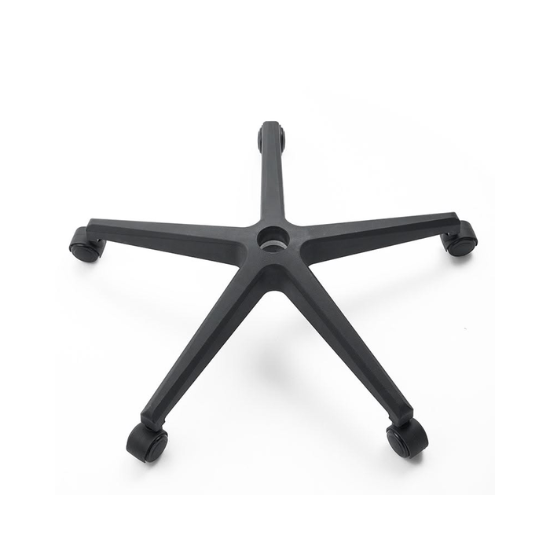
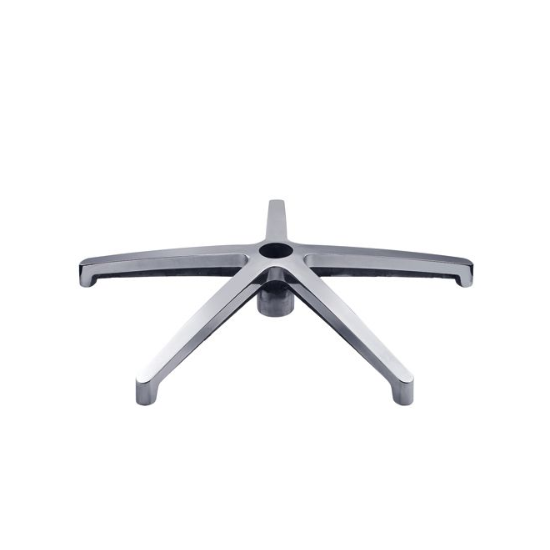
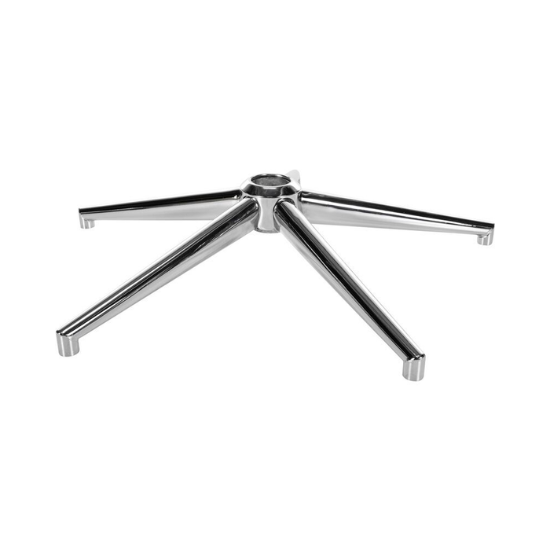
Five-Star Base
The five-star base plays a major role in supporting the entire chair structure. It is typically made from:
- Aluminum
- Reinforced nylon (glass fiber reinforced)
- Steel tubing
Aluminum bases offer excellent strength and durability but are more expensive.
Reinforced nylon bases are widely used due to their balance of strength, flexibility, and cost-effectiveness. With proper design and high-quality glass fiber reinforcement, they are ideal for heavy-duty usage.
Steel bases are strong but depend heavily on welding quality and are generally less preferred for 24/7 environments.
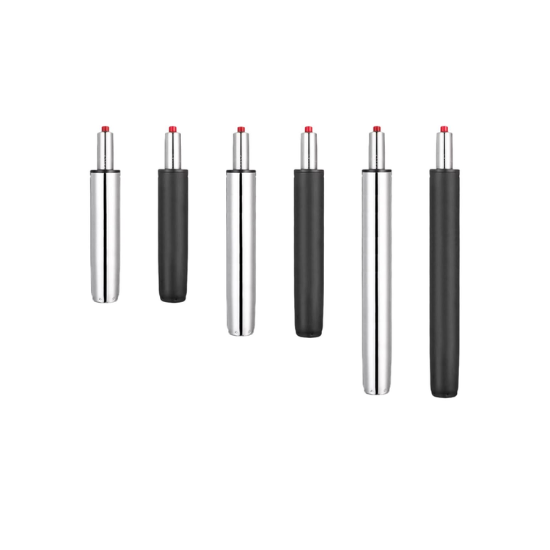
Gas Lift Cylinder
The gas lift controls chair height adjustment and also absorbs impact when sitting.
For heavy-duty chairs, Class 4 gas lifts are strongly recommended due to their higher load capacity and durability. These cylinders should comply with international safety standards such as BIFMA for reliability.
Low-quality or unmarked gas cylinders may fail under pressure and should be avoided.
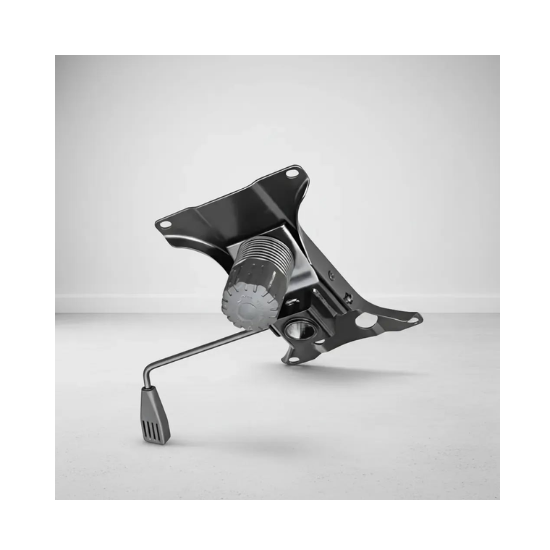
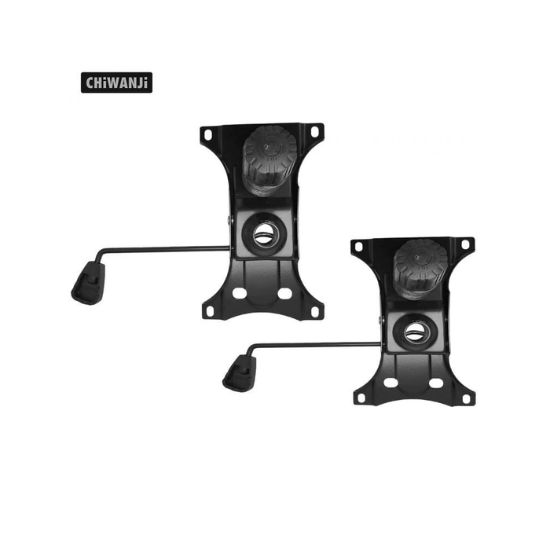
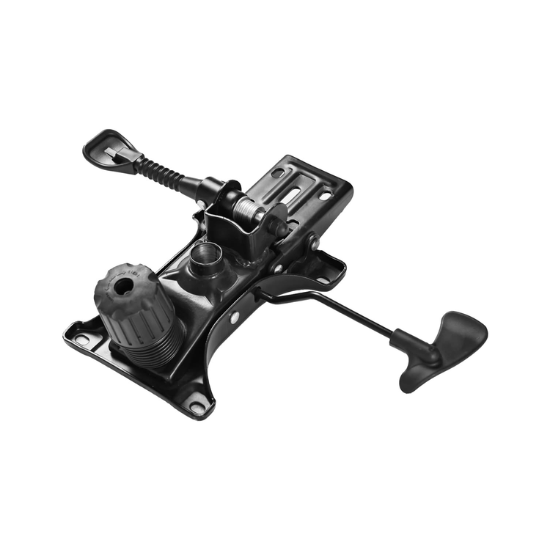
Tilt Mechanism in Heavy-Duty Chairs
The tilt mechanism controls seat movement, reclining, and ergonomic positioning. In heavy-duty environments, this component must undergo rigorous strength testing to ensure safety and long-term use.
Reliable mechanisms are tested under standards such as BIFMA or SGS certifications, often simulating heavy load cycles over hundreds of thousands of repetitions.
Seat Structure for Heavy-Duty Use
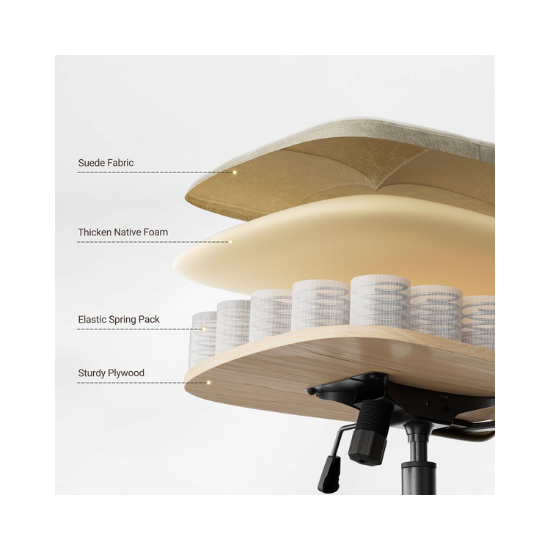
The seat must be designed to withstand continuous and intensive usage. It consists of three key parts:
- Seat base
- Foam
- Upholstery material
(1) Seat Base
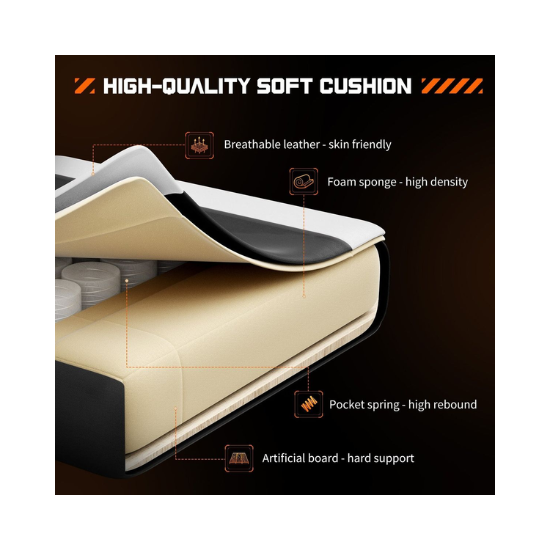
Heavy-duty seats often use reinforced plywood, polypropylene, or nylon with added structural support to improve strength and stability.
(2) Foam
High-density molded foam is preferred for long-lasting comfort and durability. It maintains shape better than standard cut foam and is widely used in premium seating systems.
(3) Upholstery
Material selection depends on usage environment:
- Fabric (breathable but harder to clean)
- Vinyl or leather (easy to clean and durable)
Backrest Design for Heavy-Duty Chairs
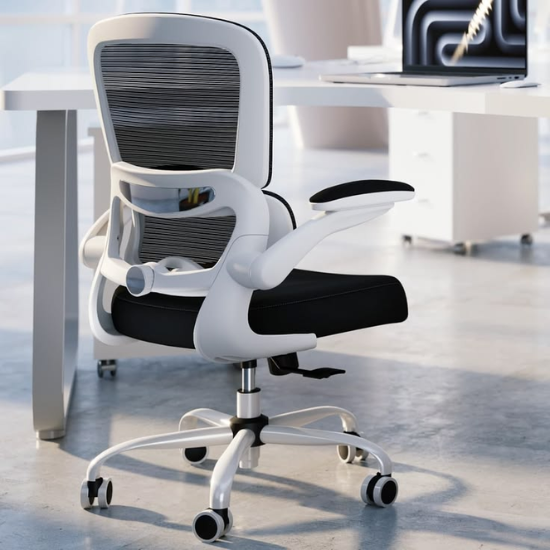
The backrest includes:
- Frame or support structure
- Foam or mesh material
- Lumbar support system
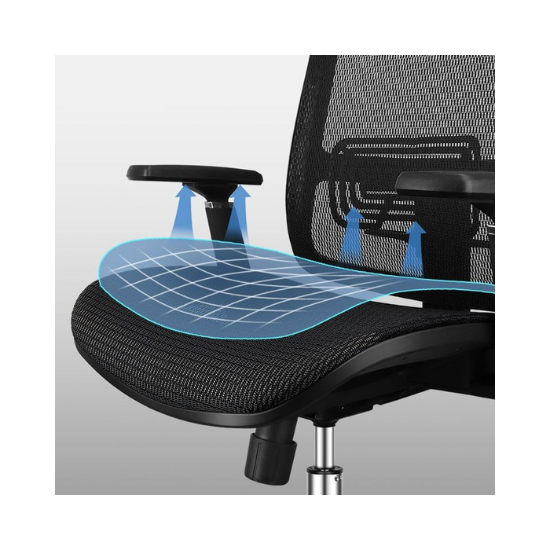
Reinforced nylon or strong internal framing is essential for 24/7 usage environments. Mesh backrests should use high-quality materials to ensure long-term support without sagging.
Lumbar support is important, especially in shared seating environments where users may not adjust settings frequently.
Armrests for Heavy-Duty Use
Armrests must be strong, stable, and ergonomic. Height-adjustable and multi-functional armrests (2D, 3D, or 4D) are ideal for long working hours.
In heavy-duty chairs, armrests are often reinforced because they are used not only for comfort but also for support when sitting down or standing up.
Some designs are directly connected to the chair mechanism for added strength and stability.
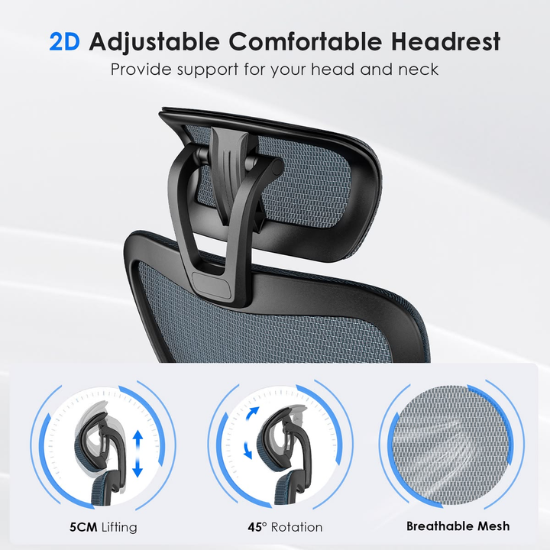
Headrests (Optional)
Headrests are optional in heavy-duty office chairs. In shared environments, fabric headrests may require more maintenance, so easy-to-clean materials are often preferred.
Conclusion
Heavy-duty office chairs are not just about supporting higher weight—they are designed for durability, safety, and continuous use in demanding environments.
If standard office chairs are used in such conditions, they may wear out quickly or even fail, leading to discomfort or safety risks.
A properly designed heavy-duty chair relies on strong components such as a reinforced base, durable gas lift, tested tilt mechanism, and high-strength armrests to ensure long-lasting performance in 24/7 working environments.